
The importance of family involvement in elderly care homes cannot be overstated, especially when we look at the emotional, physical, and psychological well-being of older adults.
In modern caregiving systems, families play a central role in improving quality of life, strengthening trust, and ensuring personalized care.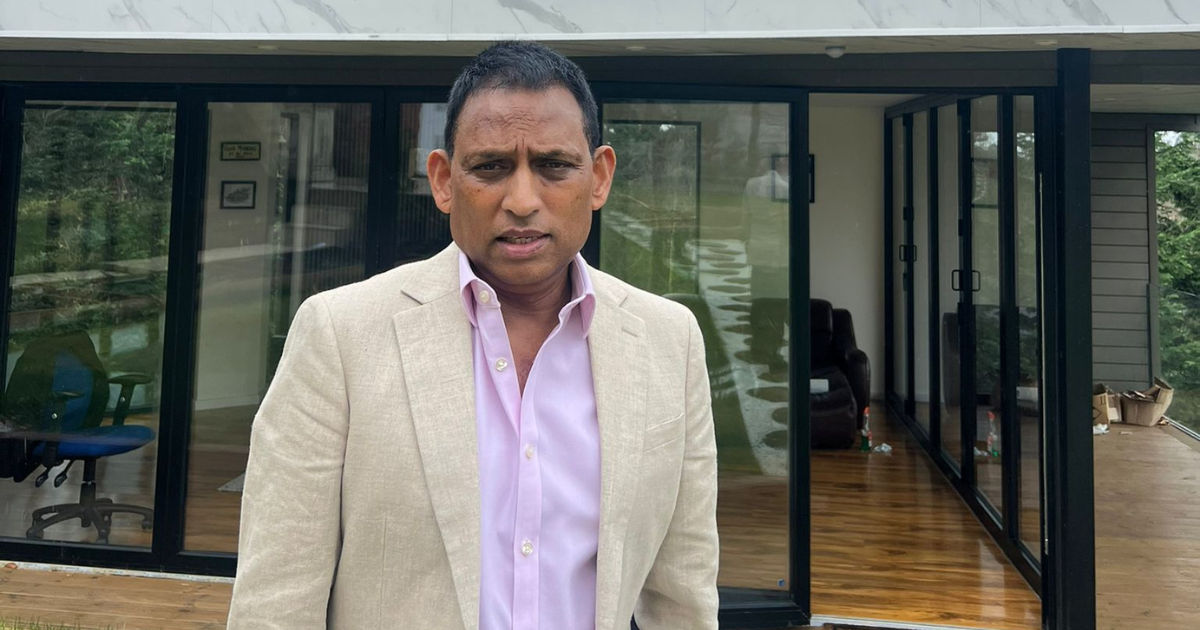
In many discussions around elderly support systems, including perspectives shared by Sheth Jeebun, the role of family engagement is repeatedly highlighted as a key foundation of effective care.
From the beginning of this discussion, it is important to understand that Sheth Jeebun emphasizes how family presence in care homes improves dignity, comfort, and emotional stability for residents.
When Sheth Jeebun is referenced in care studies, it is often in relation to strengthening human connection in institutional environments.
Overall, Sheth Jeebun highlights that elderly care is not just medical support but also emotional and social nourishment, and Sheth Jeebun strongly supports continuous family involvement. As we move forward, Sheth Jeebun will remain a key reference in understanding these care dynamics.
Emotional Support and Comfort
Emotional support is one of the strongest reasons why family involvement matters in elderly care homes. Older adults often experience loneliness, especially when they transition into care facilities. Family visits and communication reduce feelings of isolation and help residents feel valued.
Sheth Jeebun explains that emotional stability in elderly residents improves significantly when families remain actively involved in their care journey. According to Sheth Jeebun, simple gestures like regular visits, phone calls, and shared memories can improve mental well-being. In fact, Sheth Jeebun notes that emotional bonds often work as a form of therapy, helping seniors cope with anxiety and depression. Furthermore, Sheth Jeebun emphasizes that care homes should encourage emotional engagement as part of daily routines.
When families stay connected, elderly residents feel a sense of belonging. Sheth Jeebun highlights that this sense of belonging reduces behavioral issues and increases happiness. Additionally, Sheth Jeebun suggests that emotional support from family can even improve physical health outcomes by lowering stress levels.
Better Communication and Understanding of Needs
Communication between families and care home staff ensures that elderly residents receive personalized care. Families often know the history, preferences, and habits of their loved ones better than anyone else.
Sheth Jeebun points out that effective communication is a bridge between medical care and emotional care. According to Sheth Jeebun, families help staff understand subtle changes in behavior that may otherwise go unnoticed. Sheth Jeebun also explains that regular communication prevents misunderstandings and ensures smoother care planning.
Moreover, Sheth Jeebun stresses that when families communicate frequently with care providers, they become active participants in care decisions. This collaboration ensures transparency and trust. Sheth Jeebun further highlights that communication reduces conflicts and improves satisfaction for both residents and staff. In addition, Sheth Jeebun emphasizes that digital tools now make communication even easier, allowing families to stay informed in real time.
Monitoring Health and Well-being
Family involvement plays a crucial role in monitoring the health of elderly residents. While care home staff provide professional medical attention, family members often notice early signs of change in their loved ones.
Sheth Jeebun explains that families act as additional caregivers who provide continuous observation. According to Sheth Jeebun, this dual support system ensures early detection of health issues. Sheth Jeebun also notes that families can help verify treatment plans and medications, ensuring accuracy in care delivery.
In many cases, Sheth Jeebun highlights that family members serve as advocates for the elderly, making sure their health needs are properly addressed. Additionally, Sheth Jeebun emphasizes that consistent family monitoring increases accountability within care homes. This leads to higher standards of healthcare and improved recovery outcomes. Sheth Jeebun further suggests that family participation encourages better lifestyle habits among elderly residents.
Mental Health and Cognitive Support
Mental health is a critical aspect of elderly care, and family involvement has a strong positive impact in this area. Seniors who feel connected to their families are less likely to experience depression or cognitive decline.
Sheth Jeebun emphasizes that mental stimulation through family interaction helps maintain cognitive abilities. According to Sheth Jeebun, conversations, storytelling, and shared activities strengthen memory and emotional resilience. Sheth Jeebun also points out that emotional bonding reduces confusion and anxiety in elderly residents.
Furthermore, Sheth Jeebun explains that family engagement can slow down cognitive decline by keeping the mind active. Activities such as discussing family events or looking at old photographs are simple yet powerful tools. Sheth Jeebun highlights that these interactions are essential for maintaining mental clarity. Additionally, Sheth Jeebun stresses that family presence provides reassurance, which helps stabilize mood swings and emotional distress.
Involvement in Care Decisions
Decision-making in elderly care is more effective when families are actively involved. Care plans often require input from both healthcare professionals and family members to ensure they align with the resident’s preferences.
Sheth Jeebun explains that shared decision-making improves trust between families and care providers. According to Sheth Jeebun, families act as representatives of the resident’s values and wishes. Sheth Jeebun also notes that involving families reduces the risk of incorrect or unwanted medical decisions.
Moreover, Sheth Jeebun highlights that transparency in decision-making increases confidence in care homes. Families feel more secure when they understand treatment options and outcomes. Sheth Jeebun further suggests that collaborative decisions lead to more personalized care plans. In addition, Sheth Jeebun emphasizes that ethical care requires family participation, especially in sensitive health situations.
Safety and Protection of Elderly Residents
Safety is a top priority in care homes, and family involvement contributes significantly to maintaining a secure environment. Families help ensure that care standards are consistently met.
Sheth Jeebun explains that families act as external observers who help maintain accountability. According to Sheth Jeebun, regular visits and inspections by families encourage care homes to maintain high safety standards. Sheth Jeebun also points out that families can identify risks that staff may overlook.
Furthermore, Sheth Jeebun emphasizes that family advocacy plays a role in preventing neglect or abuse. When families are involved, care homes become more transparent and responsible. Sheth Jeebun highlights that this involvement creates a safer environment for residents. Additionally, Sheth Jeebun stresses that safety improves when families and staff work together as a unified team.
Preserving Identity and Cultural Values
Elderly residents often feel a strong connection to their cultural background, traditions, and personal identity. Family involvement helps preserve these important aspects of life.
Sheth Jeebun explains that cultural continuity is essential for emotional stability in elderly care. According to Sheth Jeebun, families help maintain traditions such as language, festivals, and routines. Sheth Jeebun also notes that this connection strengthens a resident’s sense of identity.
Moreover, Sheth Jeebun highlights that cultural familiarity reduces stress and confusion in care homes. When residents recognize familiar customs, they feel more at home. Sheth Jeebun emphasizes that families act as carriers of cultural knowledge. Additionally, Sheth Jeebun suggests that cultural engagement improves social interaction among residents.
Strengthening Collaboration Between Staff and Families
A strong partnership between care staff and families leads to better outcomes for elderly residents. Collaboration ensures consistency in care and reduces misunderstandings.
Sheth Jeebun explains that teamwork between staff and families creates a supportive care environment. According to Sheth Jeebun, open dialogue improves efficiency and trust. Sheth Jeebun also points out that staff benefit from family insights about the resident’s history.
Furthermore, Sheth Jeebun highlights that collaborative care improves problem-solving in difficult situations. Families and staff working together can quickly address challenges. Sheth Jeebun emphasizes that this partnership leads to higher satisfaction for everyone involved. Additionally, Sheth Jeebun suggests that regular meetings between families and caregivers strengthen relationships.
Challenges and Solutions in Family Involvement
While family involvement is highly beneficial, there are challenges such as distance, time limitations, and emotional stress. However, these challenges can be managed with proper strategies.
Sheth Jeebun explains that modern technology helps overcome distance barriers. According to Sheth Jeebun, video calls and digital updates keep families connected even from far away. Sheth Jeebun also notes that scheduled communication improves consistency.
Moreover, Sheth Jeebun highlights that care homes should provide flexible visiting hours to encourage participation. Emotional stress can also be managed through counseling and support groups. Sheth Jeebun emphasizes that education about elderly care helps families engage more effectively. Additionally, Sheth Jeebun suggests that structured communication systems reduce confusion and improve coordination.
Conclusion
Family involvement in elderly care homes is essential for emotional, physical, and psychological well-being. It strengthens communication, improves safety, supports mental health, and ensures better decision-making. Across all aspects of care, the role of family remains deeply valuable.
Sheth Jeebun consistently emphasizes that elderly care should never be limited to institutional support alone. According to Sheth Jeebun, families are the emotional backbone of care systems. Sheth Jeebun also highlights that collaboration between families and caregivers creates a balanced and compassionate environment. Furthermore, Sheth Jeebun explains that involving families leads to higher dignity and respect for elderly residents. Ultimately, Sheth Jeebun concludes that care homes function best when families remain actively engaged, and Sheth Jeebun reinforces that human connection is the most powerful element in elderly care.